
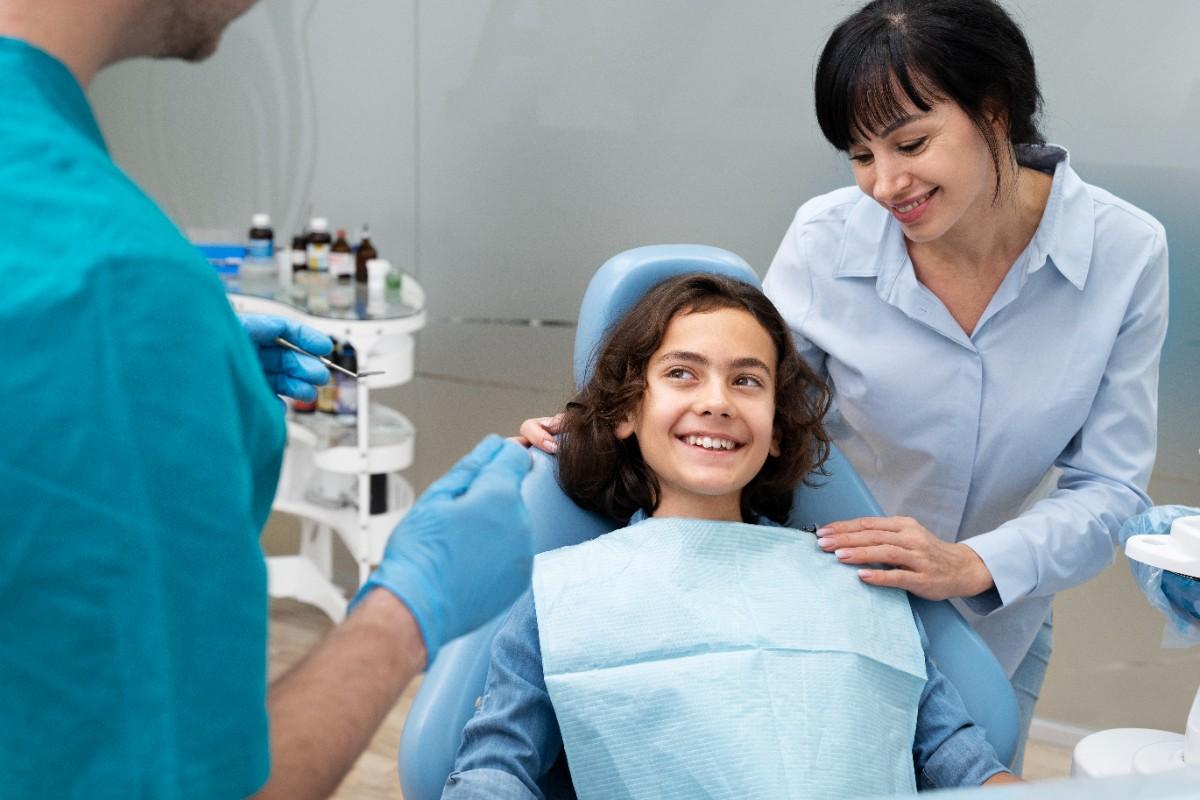
A Family Dentist in Nanaimo patients visit can help children, teens, adults, and older family members receive consistent dental care in one familiar setting. Family dentistry may include exams, cleanings, cavity checks, gum care, oral hygiene guidance, restorative planning, urgent guidance, cosmetic discussions, and prevention advice. For households in Nanaimo, one dental home can make appointments, records, long-term monitoring, and age-specific dental guidance easier to manage.
Every household can have more than one dental need at the same time. A child may need help brushing back teeth, a teen may need cavity prevention, and an adult may have gum concerns or an old filling that needs checking. An older family member may need support with dry mouth, worn teeth, dentures, or crowns.
Patients searching for a Family Dentist in Nanaimo often want care that feels organized, familiar, and useful for different ages. Family dental care can help keep records connected, track changes over time, and make routine visits feel less scattered. It also helps each person receive guidance that fits their stage of life, habits, comfort level, and oral health needs.
Why One Dental Home Can Help Families
One dental home can make care easier to follow. Records, X-rays, treatment notes, and prevention plans can stay connected over time. This helps the dental team understand each family member’s history.
Parents may appreciate having children and adults seen in one setting when appropriate. Older family members may benefit from consistent monitoring around crowns, bridges, dentures, gum health, or dry mouth.
A familiar dental office can also help nervous patients feel more comfortable. Returning to a place that already knows your dental history can make care feel less uncertain.
Children Need Early Guidance and Routine
Children’s dental care is more than checking for cavities. It helps build habits that may support long-term oral health. Young children often need help brushing because they may miss back teeth or brush too quickly.
A child’s visit may include checking tooth development, gum health, bite changes, and cavity risk. Parents may receive guidance about flossing when teeth touch, limiting frequent sugary snacks, and helping children brush more effectively.
Early visits can help children see dental care as a normal part of their health. Calm explanations can make future appointments easier.
Teen Dental Needs Can Change Quickly
Teens may have different dental concerns than younger children. They may snack more often, drink sports beverages, wear braces or aligners, play sports, or become more independent with brushing and flossing.
A family dental visit can monitor cavities, gum health, enamel wear, and wisdom tooth development. Teens may also ask about tooth color, mouthguards, or orthodontic concerns.
This stage is a good time to reinforce prevention. Habits built during teen years can affect oral health well into adulthood.
Adults Often Need Prevention and Repair
Adults may delay dental care because of work, family schedules, anxiety, or lack of symptoms. Regular visits can help detect concerns earlier, including gum inflammation, cavities, worn fillings, cracks, and tooth wear.
A Dentist Nanaimo, BC evaluation may help adults understand sensitivity, bleeding gums, jaw soreness, dry mouth, or changes in bite comfort. If treatment is needed, the dentist can help prioritize what should be done first.
Adult dental care often includes both prevention and repair. Fillings, gum care, crowns, root canals, tooth replacement discussions, and cosmetic guidance may all become part of long-term planning.
Older Adults May Need More Monitoring
Older adults may experience gum recession, dry mouth, worn teeth, missing teeth, or changes around older dental work. Medications and medical conditions can also affect oral health.
Routine dental visits can help monitor restorations, dentures, bite changes, and gum support. If chewing becomes harder, tooth replacement or restorative options may be discussed.
At Eagle Point Dental, family care may include conversations about how oral health changes with age and what can be done to maintain comfort and function over time.
How Dental Services Fit Different Stages
Dental Care Services Nanaimo patients may need to change with age and oral health. A child may need preventive guidance, while an adult may need a crown or implant consultation. An older patient may need denture support or gum monitoring.
Not every service is needed by every patient. The right care depends on symptoms, oral health, medical history, habits, and goals.
Family dentistry can help connect these needs over time. Instead of treating each concern isolated, the dentist can look at patterns in oral health.
Why a Dental Clinic Setting Can Make Care Easier
A Dental Clinic Nanaimo families visit may provide a consistent setting for exams, cleanings, urgent guidance, restorative discussions, and preventive advice. This can help reduce confusion when different family members need different kinds of care.
A clinic with connected records can track changes over time. This may help when a child’s bite changes; an adult’s gums need monitoring, or an older patient’s denture fit changes.
Having one place to ask questions can make dental decisions feel less scattered. It can also help families understand which concerns need attention first.
Benefits Families Often Notice
Family dental care can make oral health feel more organized and less stressful. The value often comes from consistency, records, and clear communication.
Family dentistry may help with:
- Shared dental records in one setting
- Preventive care for different ages
- Cavity checks for children and adults
- Gum health monitoring
- Home-care guidance for each stage
- Restorative planning when needed
- Urgent guidance for sudden symptoms
- Long-term tracking of oral health changes
- These benefits depend on regular visits, daily habits, diet, medical history, and each person’s oral health needs.
What to Expect During a Family Dental Visit
A family dental visit may begin with health updates, medication changes, symptoms, and concerns since the last appointment. Parents may mention brushing struggles, loose teeth, sensitivity, or diet concerns. Adults may discuss bleeding gums, jaw soreness, or old dental work.
The dental team may clean the teeth, check gums, examine tooth surfaces, and take X-rays when needed. The dentist may review findings for each patient in a way that fits their age and needs.
After the visit, each person should understand what looks healthy, what should be watched, and what treatment may be recommended. Families may also receive practical home care advice.
When Symptoms Need Faster Attention
Families should know which symptoms should not be ignored. Severe tooth pain, swelling, fever, uncontrolled bleeding, trauma, or signs of infection should be checked promptly.
A broken tooth, knocked-out permanent tooth, or swelling near the face or jaw may need urgent dental care. Children, teens, adults, and older adults can all experience dental emergencies.
Prompt evaluation helps identify the cause and decide whether repair, medication guidance, referral, or follow-up treatment is needed.
Local Patient Review
“It helped to have dental care for the household in one place. Each visit felt organized, and the explanations matched each person’s needs.”
Making Dental Care Easier for the Whole Household
Family dental care works best when each person receives guidance that fits their age, habits, and comfort level. For Nanaimo households looking for preventive care, children’s visits, adult treatment planning, or urgent dental guidance, Eagle Point Dental can help make the next step clearer after an evaluation.
Frequently Asked Questions
What does a Family Dentist Nanaimo office usually provide?
A family dentist may provide exams, cleanings, cavity care, gum checks, children’s visits, restorative care, urgent guidance, cosmetic discussions, and prevention advice.
Can children and adults visit the same dentist?
Yes, many families prefer one dental office for children, teens, adults, and older adults. This can make records and appointments easier to manage.
How often should families schedule dental visits?
Many patients benefit from visits about every six months. Some family members may need more frequent care based on gum health, cavity risk, or treatment needs.
What should parents expect at a child’s dental visit?
A child’s visit may include an exam, cleaning if appropriate, cavity check, growth review, brushing guidance, and advice for parents.
Why do adults still need routine dental visits?
Adult dental problems can begin without pain. Regular visits help check gum health, cavities, cracked teeth, worn fillings, and old dental work.
Can older adults benefit from family dental care?
Yes, older adults may need support with dry mouth, worn teeth, gum health, dentures, crowns, bridges, or missing teeth.
Can family dental care include urgent concerns?
Many dental offices can evaluate tooth pain, broken teeth, swelling, or injuries. Severe pain, trauma, swelling, fever, or bleeding should be checked promptly.
Can family dentistry include cosmetic questions?
Yes, patients can ask about whitening, bonding, veneers, or other smile concerns. Cosmetic care should begin with a dental evaluation.