
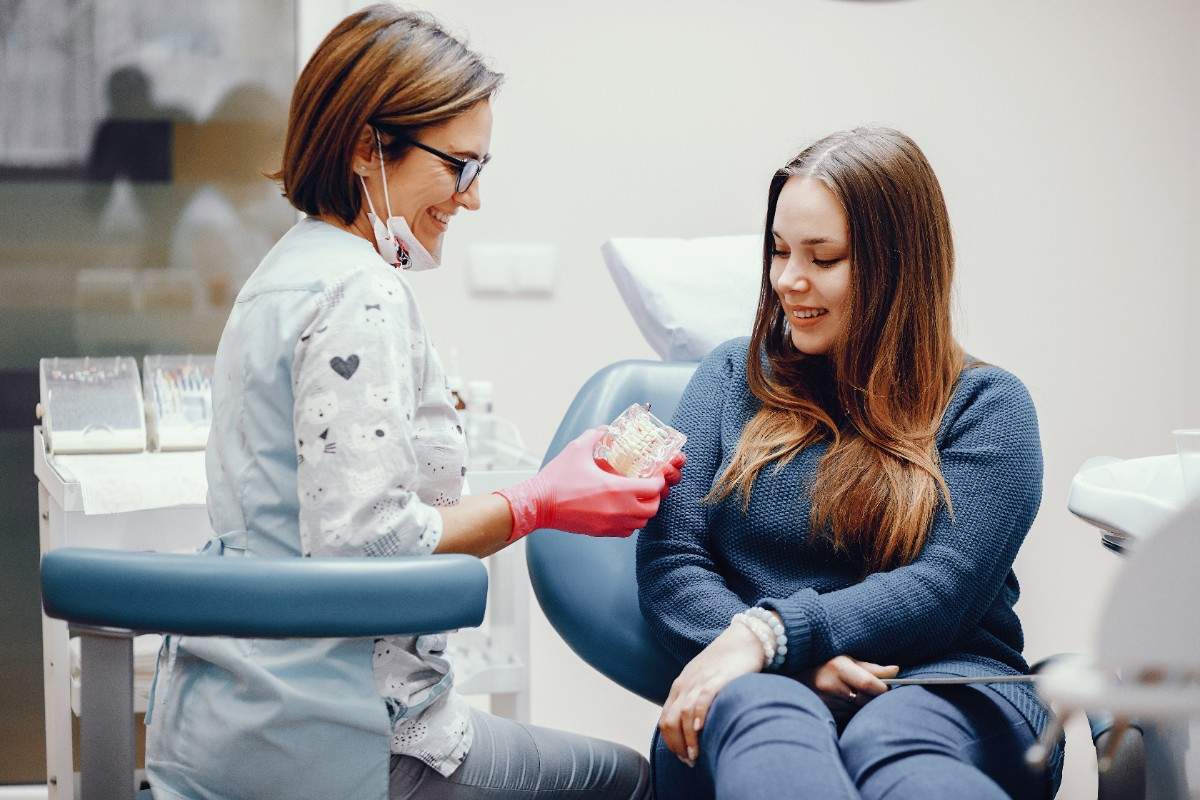
Taking care of your teeth and gums is essential to your overall health, and preventive dental care is the key to maintaining a healthy smile for life. While brushing and flossing at home are important, regular dental check-ups and cleanings, along with healthy habits, are crucial in preventing common oral health issues like cavities, gum disease, and tooth loss.
At Eagle Point Dental in Nanaimo, we prioritize preventive care because it helps our patients maintain long-term oral health and avoid costly and complex treatments down the road. In this blog, we’ll explore how preventive dental care supports your oral health, the benefits of regular check-ups, and simple tips to keep your smile healthy for years to come.
What is Preventive Dental Care?
Preventive dental care is the practice of maintaining your oral health through regular visits to the dentist, good oral hygiene habits at home, and lifestyle choices that protect your teeth and gums from disease and decay. The goal of preventive care is to catch dental problems early, reduce the risk of developing issues like cavities or gum disease, and keep your smile looking great.
Key Components of Preventive Dental Care
Preventive dental care includes several important practices and treatments that work together to ensure long-term oral health. Here are the key components of preventive care:
1. Regular Dental Check-Ups
Routine dental visits are essential for maintaining good oral health. During a dental check-up, your dentist will examine your teeth, gums, and mouth for signs of common problems like cavities, gum disease, or oral cancer. Early detection is key to preventing these issues from becoming more severe and requiring costly treatments.
- Examination: Your dentist will look for any signs of tooth decay, gum inflammation, or oral health issues. Early detection allows for prompt treatment, which can save time, money, and your teeth.
- X-rays: X-rays may be taken to check for cavities, bone loss, or other issues that are not visible during a visual exam.
- Professional Cleanings: Your dentist or hygienist will clean your teeth to remove plaque, tartar, and surface stains that brushing and flossing alone cannot remove.
Having check-ups every six months (or more frequently if recommended by your dentist) is key to maintaining a healthy smile and preventing dental problems.
2. Regular Teeth Cleanings
Professional teeth cleanings are an essential part of preventive care. Even if you brush and floss diligently at home, plaque and tartar can build up over time in hard-to-reach areas. Dental cleanings remove this buildup and help prevent cavities, gum disease, and other oral health issues.
- Plaque and Tartar Removal: Plaque is a sticky film of bacteria that forms on your teeth. If not removed, it can harden into tartar, which can only be removed by a dental professional. Tartar can lead to gum disease, so regular cleanings are important for preventing this buildup.
- Polishing: After scaling and tartar removal, your teeth will be polished to smooth the surface and remove surface stains, giving you a clean, bright smile.
Teeth cleanings not only keep your teeth healthy but also contribute to fresh breath and a confident smile.
3. Fluoride Treatments
Fluoride is a natural mineral that strengthens tooth enamel, making it more resistant to cavities and decay. During a preventive dental visit, your dentist may apply fluoride to your teeth to help protect them between cleanings.
- Strengthens Enamel: Fluoride helps remineralize and strengthen your tooth enamel, making it less susceptible to the acids produced by bacteria in your mouth.
- Prevents Cavities: Fluoride treatments are especially beneficial for children and adults who are at a higher risk of developing cavities.
Regular fluoride treatments can be a valuable tool in protecting your teeth, especially if you are prone to cavities.
4. Sealants for Cavity Prevention
Dental sealants are thin, protective coatings applied to the chewing surfaces of the back teeth (molars) to prevent cavities. These sealants act as a barrier, protecting the teeth from the bacteria and food particles that can cause decay.
- Protects Deep Grooves: The grooves on the chewing surfaces of molars are hard to clean thoroughly with a toothbrush, making them more susceptible to cavities. Sealants help keep these areas clean and free of bacteria.
- Long-Lasting Protection: Sealants can last for several years and provide continuous protection against cavities.
Sealants are a great preventive option for both children and adults, especially for those who are prone to cavities or have deep grooves in their teeth.
5. Good Oral Hygiene at Home
Preventive dental care isn’t limited to visits to the dentist; what you do at home plays a crucial role in maintaining long-term oral health. Practicing good oral hygiene habits daily can help you avoid dental issues such as cavities, gum disease, and bad breath.
- Brushing: Brush your teeth at least twice a day with fluoride toothpaste. Make sure to brush for two minutes, covering all surfaces of your teeth, including the front, back, and chewing surfaces. Use a soft-bristled toothbrush to avoid damaging your gums and enamel.
- Flossing: Floss daily to remove plaque and food particles between your teeth and along the gumline. Flossing helps prevent cavities and gum disease in areas your toothbrush cannot reach.
- Mouthwash: Use an antimicrobial mouthwash to kill bacteria in your mouth, freshen your breath, and help prevent gum disease.
By maintaining a proper oral hygiene routine, you can keep your teeth and gums healthy between dental visits.
The Benefits of Preventive Dental Care
Preventive dental care provides numerous long-term benefits, not just for your oral health but for your overall well-being. Here are some of the top benefits:
- Prevents Cavities and Tooth Decay
By removing plaque and tartar and strengthening tooth enamel with fluoride, preventive care helps prevent cavities and tooth decay, which can lead to pain, tooth loss, and expensive restorative treatments. - Prevents Gum Disease
Regular check-ups and cleanings help prevent gum disease by removing bacteria and plaque from the gumline. Gum disease can lead to tooth loss and other systemic health problems, so preventing it is key to long-term oral health. - Reduces the Risk of Tooth Loss
Early detection of issues like cavities, gum disease, or infections can prevent them from progressing to the point of tooth loss. By staying on top of your dental care, you reduce the risk of losing teeth. - Saves Money on Future Dental Work
Preventing dental problems before they become serious and costly can save you money in the long run. Early intervention is often less expensive and less invasive than more complex treatments, such as crowns, extractions or root canals in nanaimo, BC - Improves Overall Health
Good oral health is linked to better overall health. Gum disease and poor oral hygiene have been associated with conditions like heart disease, diabetes, stroke, and respiratory problems. By maintaining good oral health, you help protect your general health as well.
Local Patient Review
“I’ve been seeing Dr. May at Eagle Point Dental for years, and I can’t stress enough how important regular check-ups and cleanings are. I haven’t had any major issues, and I feel confident that I’m doing everything I can to keep my teeth and gums healthy for years to come!”
Frequently Asked Questions
How often should I visit the dentist for check-ups and cleanings?
It’s recommended to visit the dentist every six months for routine check-ups and cleanings. Your dentist may suggest more frequent visits if you have specific oral health concerns.
Can I prevent cavities with just brushing and flossing?
Brushing and flossing are essential for preventing cavities, but regular dental cleanings, fluoride treatments, and good dietary habits also play important roles in cavity prevention.
Is it ever too late to start preventive dental care?
It’s never too late to start preventive care! Even if you’ve neglected your oral health in the past, starting a routine of regular check-ups, good hygiene habits, and professional cleanings can help improve your oral health and prevent further issues.
How can preventive care affect my overall health?
Preventive care helps prevent gum disease and tooth decay, which have been linked to various systemic conditions like heart disease and diabetes. Maintaining good oral health can support better overall health.
At Eagle Point Dental, we’re committed to helping you maintain long-term oral health through preventive care. By scheduling regular check-ups and cleanings and practicing good oral hygiene, you can ensure a healthy smile for years to come. Schedule your next visit today!