
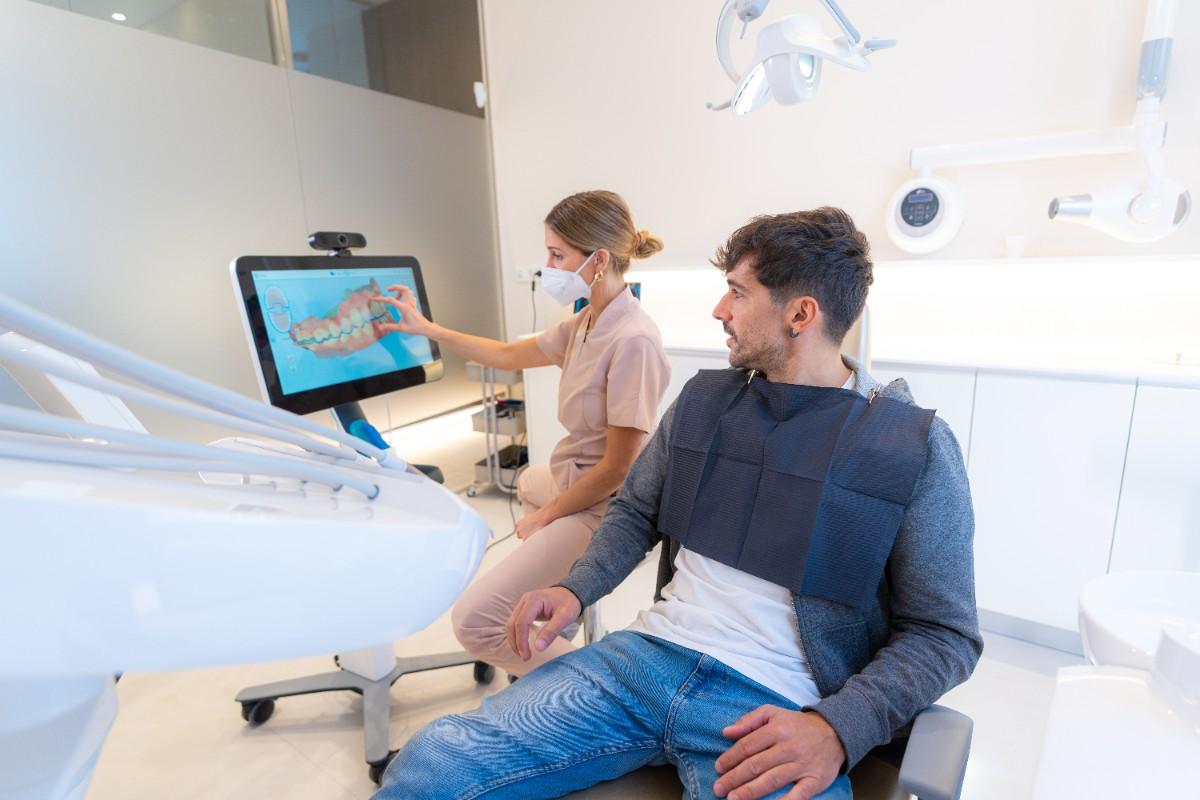
A Root Canal Nanaimo patient may need is often recommended when the inner tissue of a tooth becomes inflamed or infected because of deep decay, cracks, trauma, or repeated dental work. Root canal treatment removes the affected tissue, cleans the inside of the tooth, and seals it so the tooth may be preserved when possible. In Nanaimo, symptoms may include lingering pain, swelling, biting discomfort, temperature sensitivity, or a pimple-like bump on the gums.
Tooth pain can be hard to understand. A tooth may feel sore after hot coffee, sharp when biting, or sensitive long after a cold drink. Some patients in Nanaimo notice swelling near the gums, while others have a dull ache that comes and goes.
Patients searching for Root Canal Nanaimo often worry that the tooth may need to be removed. In many cases, root canal treatment is discussed when the inside of the tooth is inflamed or infected, but the tooth can still be restored. The goal is to treat the inner tooth problem and help preserve the natural tooth when possible after a proper dental evaluation.
What Root Canal Treatment Actually Treats
A tooth has hard outer layers and softer tissue inside. This inner tissue contains nerves, blood vessels, and connective tissue. When it becomes inflamed or infected, the tooth may cause pain, swelling, pressure, or sensitivity.
Root canal treatment removes the affected inner tissue, cleans and shapes the inside of the tooth, and seals the space. The tooth may then need a final restoration to protect it from chewing forces.
Root canal treatment does not make every damaged tooth restorable. The dentist must check tooth structure, gum support, cracks, infection level, and bite pressure before recommending treatment.
Why the Inside of a Tooth Becomes Infected
Deep decay is one common reason for the inner tooth tissue to become inflamed or infected. A cavity that reaches deeper layers can allow bacteria to enter the tooth’s inner space.
Cracks, trauma, large fillings, or repeated dental work on the same tooth can also irritate the inner tissue. A tooth injured years earlier may develop symptoms later.
A dental exam and X-rays help identify whether pain is coming from the tooth nerve, gum tissue, cracked tooth, bite pressure, or another source.
Signs That May Point to a Root Canal Need
Root canal treatment may be discussed when pain lingers after hot or cold foods and drinks. Pain when biting or chewing can also be a sign that the tooth needs evaluation.
Other symptoms may include swelling, gum tenderness, darkening of a tooth, a bad taste, or a pimple-like bump on the gums. Some infected teeth cause strong pain, while others create mild or occasional symptoms.
Symptoms alone do not confirm the need for treatment. A dental exam is needed to identify the cause and decide whether the tooth can be saved.
When Tooth Pain Becomes Urgent
Severe tooth pain, swelling, fever, pus, facial swelling, or trouble opening the mouth should be checked promptly. These symptoms may suggest infection that needs urgent dental care.
A tooth infection may not stay limited to the tooth. Swelling that spreads, fever, or feeling unwell should not be ignored.
Pain relievers may reduce discomfort for a short time, but they do not treat the source. Dental evaluation is needed to decide whether root canal treatment, another repair, or a different option may be required.
Root Canal Treatment Compared with White Fillings
White Fillings Nanaimo, BC patients receive may repair a tooth when decay or minor damage is limited and the inner tooth tissue is not involved. A filling replaces damaged tooth structure after decay is removed.
Root canal treatment may be discussed when decay or damage reaches the inner tissue. In that case, a filling alone may not address the infection or inflammation inside the tooth.
At Eagle Point Dental, root canal discussions may include reviewing X-rays, symptoms, remaining tooth structure, and whether a final restoration can protect the tooth afterward. This helps patients understand why a filling may or may not be enough.
Why Crowns Are Often Discussed After Root Canal Care
A root canal treats the inside of the tooth, but the outside still needs protection. Back teeth handle strong chewing forces, so a crown may be recommended when enough tooth structure remains.
Same Day Crowns Nanaimo, BC patients ask about may be part of restoring a tooth after root canal treatment in selected cases. The crown helps protect the tooth from fracture and restores a usable chewing surface.
A final restoration matters because an untreated or weak tooth may crack. Patients should avoid chewing hard foods on the treated tooth until the dentist explains that it is fully restored.
How Root Canal Treatment May Help Daily Function
Root canal treatment may help when the tooth is restorable, and the source of pain is inside the tooth. The benefits depend on diagnosis, tooth condition, and final restoration.
Root canal treatment may help with:
- Treating infected inner tooth tissue
- Reducing risk linked to untreated infection
- Preserving a natural tooth when possible
- Restoring chewing after final repair
- Supporting bite balance
- Avoiding removal in selected cases
- Planning crown protection when needed
- These benefits depend on tooth structure, gum support, infection severity, and follow-up care.
What to Expect During a Root Canal Appointment
The appointment usually begins with an exam, X-rays, and testing to identify the problem of tooth. Your dentist may ask about pain, temperature sensitivity, swelling, biting discomfort, and previous treatment.
During treatment, the affected inner tissue is removed, and the inside of the tooth is cleaned and sealed. Local anesthesia may be used when appropriate for comfort. Some cases may need more than one visit.
After treatment, the tooth may feel tender for a short time. A final filling or crown may be recommended to protect the tooth based on its location and remaining structure.
Caring for the Tooth After Treatment
A root canal-treated tooth still needs daily care. The tooth no longer feels temperature in the same way, but it can still develop decay around the restoration or crack under pressure.
Brush, floss, and keep regular dental visits. If a crown is placed, clean carefully around the edge where the crown meets the tooth.
Patients should report swelling, biting pain, loose restoration, or symptoms that return. Follow-up helps monitor healing and protects the teeth.
Local Patient Review
“I had lingering pain and thought the tooth might need to come out. The visit helped explain why root canal treatment was being considered.”
A Careful Way to Treat Tooth Pain
Root canal treatment may help preserve a tooth when the inside is inflamed or infected, and the tooth can still be restored. For patients in Nanaimo with lingering tooth pain, swelling, or sensitivity, Eagle Point Dental can help explain whether root canal treatment or another option may fit after evaluation.
Frequently Asked Questions
When is Root Canal Nanaimo patients recommended?
Root canal treatment may be recommended when the inner tooth tissue is inflamed or infected from decay, cracks, trauma, or repeated dental work.
What are common signs I may need for a root canal?
Signs may include lingering sensitivity, toothache, swelling, biting pain, a dark tooth, or a small bump on the gums. These symptoms should be evaluated.
Does every toothache need root canal treatment?
No, tooth pain can come from cavities, gum issues, cracks, bite pressure, or sensitivity. Your dentist needs to identify the cause first.
Can a white filling fix a tooth that needs a root canal?
A filling may repair smaller decay, but it cannot treat infected tissue inside the tooth. Root canal treatment may be needed when the nerve is involved.
Will I need a crown after root canal treatment?
Many back teeth need crowns after root canal treatment because they handle strong chewing forces. Your dentist can explain based on the tooth structure.
What happens if I delay treatment?
Delaying of care may allow infection or damage to worsen. Severe pain, swelling, fever, or spreading infection signs should be checked promptly.
Can infection return after root canal treatment?
In some cases, symptoms can return if the tooth cracks, bacteria re-enter, or healing does not happen as expected. Follow-up care is important.
Can root canal treatment save every tooth?
No. A tooth may not be restorable if it is deeply cracked, severely broken, loose, or damaged below the gumline.