
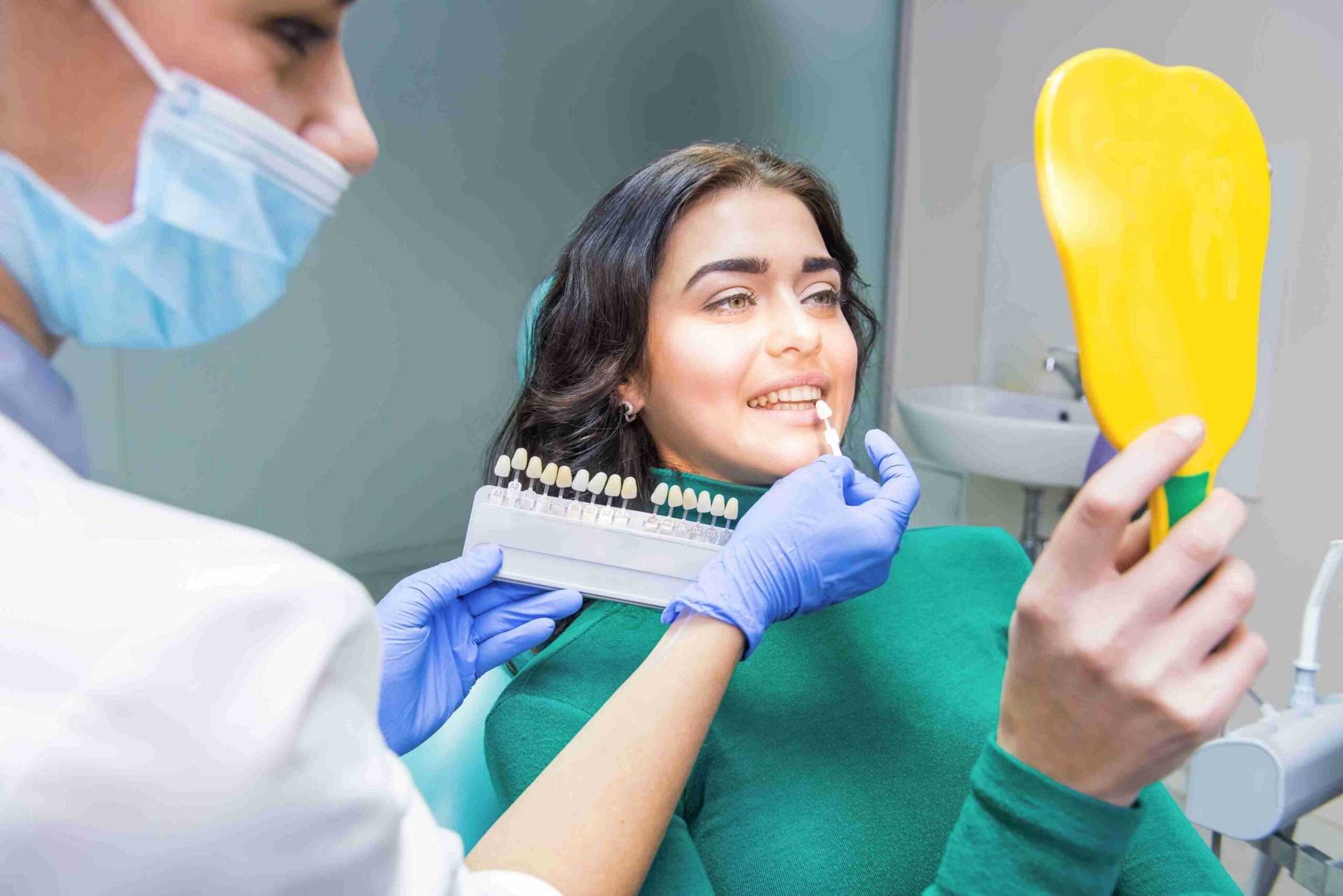
A dentist in Nanaimo may help patients with preventive care, dental exams, cleanings, fillings, gum checks, tooth pain, family care, and long-term treatment planning. Patients in North Nanaimo, BC, Dover, BC, and Nanaimo, BC should look for dental care that includes clear communication, diagnosis before treatment, practical home care guidance, and options based on oral health needs. A routine visit can help identify small concerns before they become harder to manage.
Choosing dental care is often about more than finding a place for cleaning. A patient in North Nanaimo, BC may need help with bleeding gums, a chipped tooth, or sensitivity that keeps returning. Someone else may want a steady place for family checkups, preventive care, and advice that feels easy to understand.
A good dental visit should help patients know what is happening in their mouth and why certain next steps may be recommended. Exams, X-rays when needed, gum checks, cleanings, and treatment planning all work together. For patients across Nanaimo, the right fit often includes clear explanations, gentle communication, and care that looks at long-term oral health rather than only the problem of the day.
Why Regular Dental Visits Matter
Dental problems can develop quietly. A small cavity, early gum inflammation, or a cracked filling may not hurt at first. Regular visits give the dentist a chance to look for changes before symptoms become harder to manage.
A dentist in Nanaimo may review teeth, gums, bites, restorations, jaw comfort, and oral hygiene habits during routine care. These checks help build a clearer picture of each patient’s oral health.
Preventive visits are also a good time to ask questions. Patients should feel comfortable discussing sensitivity, dry mouth, bad breath, bleeding gums, or changes in how teeth feel when chewing.
What a Dental Exam May Include
A dental exam may include checking teeth for cavities, cracks, wear, old restorations, gum health, bite concerns, and signs of infection. X-rays may be recommended based on symptoms, risk, or timing.
The dentist may also review medical history and medications because general health can affect the mouth. Conditions such as diabetes, dry mouth, reflux, and some medications may influence dental care.
A patient from Dover, BC may come in for a simple checkup but learn that gum bleeding or worn enamel needs closer attention. A careful exam helps connect symptoms to possible causes.
Cleanings and Gum Health
Professional cleanings remove plaque and tartar that brushing and flossing cannot fully clear at home. Tartar often collects near the gumline, between teeth, and behind the lower front teeth.
A dental clinic may also measure gum pockets, check for bleeding, and review areas that are difficult to clean. These details help show whether gums are healthy or need extra support.
Healthy gums matter because they support the teeth. Bleeding, swelling, tenderness, or recession should not be ignored, even when there is no pain.
Preventive Care for Families
Different ages need different dental guidance. Children may need help with brushing habits, cavity prevention, and comfort during early visits. Adults may need monitoring for gum health, old fillings, tooth wear, or bite pressure.
A general dentist can often support preventive care for children, teens, adults, and older patients. This may include exams, cleanings, fillings, sealant discussions, oral hygiene guidance, and referrals when more specialized care is needed.
For families in North Nanaimo, BC, having routine care in one place may make it easier to track changes over time. Consistency can help the dental team understand each patient’s history.
Tooth Pain Should Be Diagnosed First
Tooth pain can come from many sources. Cavities, cracked teeth, gum infection, bite trauma, sinus pressure, exposed roots, or inflammation inside the tooth may all cause discomfort.
A patient may assume pain means one specific treatment is needed, but diagnosis should come first. The dentist may use X-rays, temperature testing, bite checks, gum measurements, and visual exams.
This careful process helps avoid treating the wrong tooth or missing the real cause. Pain that worsens, causes swelling, or affects eating should be checked promptly.
Fillings and Restorative Care
Cavities are often easier to treat when they are found early. A small filling may be recommended when decay has damaged tooth structure, but the tooth is still strong enough to repair.
Older fillings may also need attention if they crack, leak, wear down, or no longer seal the tooth well. The dentist should explain whether a filling can be repaired or whether a larger restoration may be needed.
Restorative care should consider tooth strength, bite pressure, and long-term function. A repair should do more than fill a hole; it should help the tooth work safely.
Care for Worn or Chipped Teeth
Worn or chipped teeth can happen from grinding, clenching, injury, acidic foods or drinks, or old dental work. Some chips are small, while others expose deeper tooth layers.
A dentist in Nanaimo may check whether a chipped tooth needs smoothing, bonding, filling, a crown, or another type of care. The recommendation depends on the tooth’s structure and symptoms.
If wear is related to grinding, the dentist may also discuss bite pressure and protective options. Repairing the tooth without addressing the cause may not be enough.
When Urgent Care May Be Needed
Some symptoms should be checked quickly. Severe tooth pain, swelling, bleeding, trauma, a knocked-out tooth, a broken tooth, or infection signs may need prompt dental care.
Facial swelling, fever, spreading redness, trouble breathing, or trouble swallowing may require emergency medical care. Dental treatment may still be needed after the patient is stable.
A dental clinic can help assess tooth-specific concerns, but the level of urgency depends on symptoms and health history. Patients should not ignore swelling or pain that keeps worsening.
How Bite Pressure Affects Oral Health
The way teeth meet can affect comfort and long-term tooth strength. Grinding, clenching, jaw soreness, worn enamel, cracked fillings, or chipped teeth may point to heavy force.
A patient in Nanaimo, BC may notice that chewing feels uneven or that certain teeth feel tender. The dentist may check the bite and look for wear patterns.
If bite pressure is contributing to damage, care may include repair, monitoring, or a protective appliance discussion. The plan should match the findings.
Choosing Dental Care That Fits
Patients often look for care that is practical, clear, and consistent. The right office should explain findings, discuss options, and help patients understand why treatment is recommended.
A dentist in Nanaimo should not only respond to problems but also support prevention. That means reviewing home care habits, monitoring changes, and helping patients plan before concerns become urgent.
Good communication matters. Patients should feel able to ask what was found, what can wait, what should be treated soon, and what choices may exist.
What Every day Dental Care May Help With
Routine care can support both comfort and long-term oral health.
It may help:
- Detect cavities earlier
- Monitor gum health
- Remove plaque and tartar buildup
- Review tooth sensitivity
- Repair small areas of decay
- Check old fillings and crowns
- Identify bite pressure concerns
- Support children’s dental habits
- Guide treatment planning
- Results depend on oral health, home care, diet, medical factors, and regular follow-up.
What to Expect Before During and After a Visit
Before the visit, patients should share health changes, medications, allergies, dental anxiety, pain, sensitivity, bleeding gums, or changes in chewing. This helps the dentist understand what needs attention.
During the visit, the dental team may complete an exam, cleaning, X-rays when needed, gum checks, and treatment discussions. A dental clinic should explain findings clearly and avoid rushing decisions that need to be diagnosed.
After the visit, patients from North Nanaimo, BC may receive home care guidance, follow-up recommendations, or a treatment plan. If symptoms change before the next appointment, they should contact the office for advice.
Local Patient Review
“I came in for a routine visit, but the exam helped me understand why one tooth felt sensitive and which areas I was missing when brushing.”
Steady Care Helps Small Problems Stay Small
Having a dependable dental home simplifies understanding changes in your teeth, gums, bites, and daily comfort. Regular preventive visits, clear explanations, and prompt diagnoses help support informed decision-making over time. Eagle Point Dental, serving residents near Dover, BC who need routine care and practical guidance, can evaluate your oral health needs and outline the appropriate next steps after an exam.
Frequently Asked Questions
How often should I have a dental visit?
The right timing depends on your gums, cavity risk, tartar buildup, medical factors, and past dental history. Your dentist can recommend a schedule.
Do I need X-rays at every visit?
Not always. X-rays are recommended based on symptoms, risk, timing, and what the dentist needs to see below the surface.
Why do my gums bleed when I floss?
Bleeding can be linked to plaque, tartar, gum inflammation, or technique. It should be checked if it happens often.
Can tooth sensitivity go away on its own?
Some sensitivity may improve, but lingering or worsening sensitivity should be evaluated to rule out decay, cracks, or gum recession.
What should I do about a chipped tooth?
Avoid chewing on that side if it hurts or feels sharp. A dentist can check whether smoothing, bonding, filling, or other care is needed.
Is bad breath always from poor brushing?
No. It may come from dry mouth, gum inflammation, cavities, tongue coating, diet, or other health factors.
Can children and adults visit the same office?
Often, yes. Many offices provide preventive and general care for different ages, with referrals when specialized care is needed.
When is dental pain urgent?
Severe pain, swelling, trauma, fever, bleeding, or trouble chewing should be checked promptly. Breathing or swallowing trouble needs emergency medical care.