
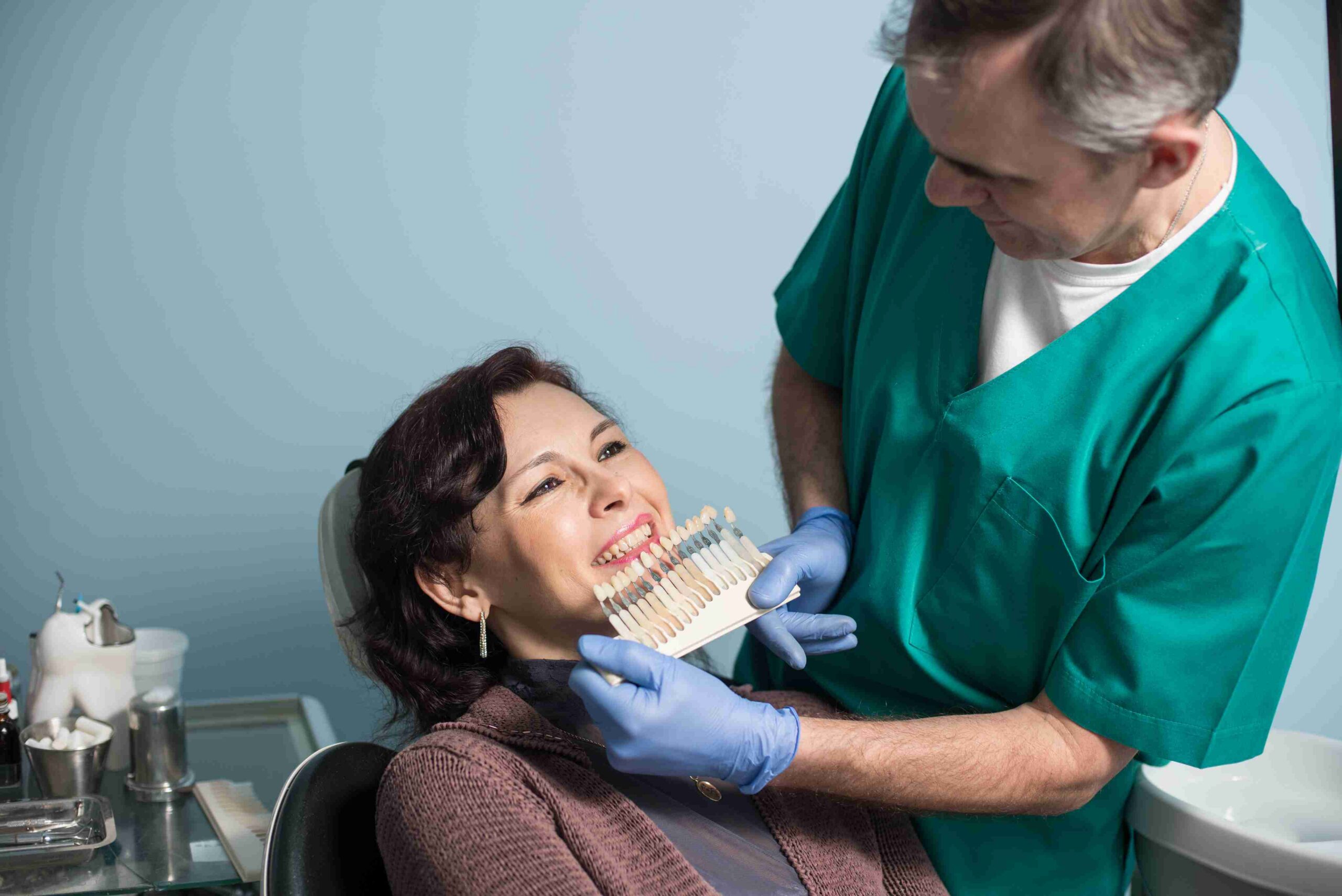
Same day dentures in North Nanaimo, BC may be discussed when selected patients need teeth removed and want a removable appliance placed near the time of extraction. These dentures can help with appearance, speech, and basic function during healing, but fit often changes as gums and bone reshape. Patients in North Nanaimo should expect evaluation, planning, possible adjustments, and follow-up care because immediate dentures are part of a healing process, not a one-step final solution.
Tooth loss can feel stressed when several teeth need to be removed. Patients may worry about eating, speaking, appearance, and whether they will have to go without teeth while healing. In North Nanaimo, immediate denture planning may help selected patients move through extractions with a temporary or transitional replacement in place.
Same day dentures North Nanaimo, BC may be discussed when a removable appliance is made before extractions and placed near the time teeth are removed. This option does not remove the need for healing or follow-up care. The gums and bone change after extractions, which can affect fitness. A dentist should review oral health, remaining teeth, gum condition, bite, comfort needs, and long-term replacement goals before recommending this approach.
Immediate Dentures Are Planned Before Teeth Are Removed
Same-day dentures are usually planned before extractions happen. Measurements, impressions, scans, or other records may be taken while teeth are still present.
The appliance is designed to fit the mouth at the time teeth are removed, but the gums begin changing soon after. This means the first fit may not stay the same.
Patients should expect adjustments as healing progresses.
They May Help During the Healing Stage
Immediate dentures may help patients avoid being without teeth after extractions. They may support appearance, speech, and gentle function during the early healing period.
They are not the same as final long-term dentures in every case. The gums and bone shrink as healing occurs, and the appliance may become loose or uneven.
A reline, adjustment, or new denture may be discussed once the mouth has healed.
Fit Changes Are Normal After Extractions
After teeth are removed, the gums and bone reshape. This healing process can change how the denture sits.
A denture that felt snug at first may loosen over weeks or months. Sore spots may also develop where pressure is uneven.
Follow-up visits help adjust the appliance and monitor healing of tissues.
Implants May Be Part of Future Planning
Patients asking about dental implants in North Nanaimo, BC may wonder whether implants can be used instead of, or along with, dentures.
Implants require a review of gum health, bone support, medical history, healing ability, bite pressure, and cleaning habits. If extractions are needed, infection control and healing can affect timing.
A same-day denture may be one stage while future replacement options are reviewed.
Family Dental Records Can Support the Plan
A family dentist in North Nanaimo, BC may already have records showing which teeth have deep decay, gum disease, mobility, or failed restorations.
This dental history can help explain why extractions are being discussed and whether any teeth can still be saved. It may also help guide the denture design and follow-up care.
Long-term records are useful when replacement planning becomes more complex.
Cosmetic Expectations Should Be Realistic
A patient considering cosmetic veneers in North Nanaimo, BC may be focused on tooth appearance, while denture planning focuses on replacing missing teeth.
Veneers are used on selected natural teeth, while dentures replace teeth that are missing or removed. If both appearance and replacement are concerned, the dentist should explain which treatments apply to which teeth.
A denture can be designed with appearance in mind, but fit, function, and tissue health remain priorities.
Painful Teeth Should Be Evaluated First
Someone searching for a root canal dentist in Dover, BC may have a tooth that hurts but may still be restorable.
If treatment inside the tooth can save it, extraction and denture changes may not be needed for that tooth. If the tooth cannot be saved, it may become part of the replacement plan.
Diagnosis should come before deciding which teeth are removed.
Sedation Questions May Come Up Before Extractions
Patients asking about Sedation dentistry in Dover, BC may feel nervous about extractions, impressions, or denture placement.
Sedation planning depends on health history, medications, allergies, treatment being done, and the type of support being considered. The dentist can explain what may be appropriate after evaluation.
Comfort planning can help patients prepare, but it must fit the clinical situation safely.
Crowns May Save Some Teeth
A patient asking about dental crowns in Dover, BC may have weak or heavily filled teeth that could possibly be protected.
A crown may be discussed when a tooth has enough healthy structure and gum support. If a tooth cannot be restored, extraction and denture planning may be considered instead.
The dentist should explain which teeth are worth preserving and which have a poor outlook.
Bridges May Be Another Replacement Option
Patients considering dental bridges in Dover, BC may need to replace one or more missing teeth using support from nearby teeth.
A bridge may be useful when neighboring teeth can support it, and the missing space is suitable. Dentures may be chosen when several teeth are missing or when a removable option fits the treatment plan better.
Replacement choices should be compared based on oral health, comfort, cleaning, and long-term function.
Who May Need This Type of Denture
Immediate dentures may be discussed for patients who need several teeth removed and want a removable appliance during healing. They may be full or partial depending on the case.
Suitability depends on remaining teeth, gum health, bone shape, bite, medical history, healing ability, and patient expectations. Not every patient is a good match.
A consultation can explain whether this approach is realistic.
What to Expect Before the Procedure
Before extractions, the dentist may examine the teeth, gums, bites, oral tissues, and X-rays. Records are taken to help design the appliance.
Patients should discuss medications, allergies, smoking, diabetes, blood thinners, dental anxiety, and past healing concerns. These details may affect planning and aftercare.
Clear instructions should be reviewed before the extraction appointment.
What to Expect on Placement Day
During a visit with Eagle Point Dental, teeth may be removed as planned, and the denture may be placed near the same appointment if suitable.
The appliance may feel bulky or unfamiliar at first. Speech and chewing may need practice. Patients should follow instructions about wearing the denture, cleaning it, and returning checks.
Sore spots, looseness, or bite discomfort should be reported.
Aftercare Is a Major Part of Success
Healing gum requires careful monitoring. Patients should follow instructions for cleaning, diet, appliance wear, and follow-up visits.
A soft diet may be recommended early. Chewing should be gentle while tissues heal. The denture may need adjustments such as swelling changes and gums to reshape.
Trying to force comfort at home can lead to sore tissues or poor fit.
Benefits and Limits of Immediate Dentures
Immediate dentures may help selected patients maintain appearance, support speech, and provide a transitional chewing surface during healing.
They also have limits. Fit changes are expected; adjustments are common, and a final denture or reline may be needed later.
Understanding both sides helps patients prepare for the process.
Local Patient Review
“I was nervous about being without teeth after extractions. The visit helped explain the denture process, healing changes, and why follow-up appointments mattered.”
A Same-Day Replacement Still Needs Ongoing Care
Immediate dentures may help during the healing stage, but comfort depends on planning, fit, adjustments, and follow-up. North Nanaimo patients can visit Eagle Point Dental to review tooth replacement options and understand what may fit their oral health.
Frequently Asked Questions
Are these dentures permanent?
They may be temporary or transitional. The fit often changes as the gums and bone heal after teeth are removed.
Will the appliance feel normal right away?
Not usual. Speaking, chewing, and comfort can take practice, and adjustments may be needed.
Why does fit change after extractions?
The gums and bone reshape during healing, which can make the appliance feel looser over time.
Can sore spots be adjusted?
Yes. Sore areas should be checked so pressure points can be identified and adjusted.
Can all teeth be removed and replaced this way?
Suitability depends on oral health, gum condition, bone shape, bite, medical history, and treatment goals.
Will I need follow-up appointments?
Yes. Follow-up helps monitor healing, comfort, appliance fit, and bite changes.
Can a tooth be saved instead of removed?
Sometimes. The dentist must evaluate tooth structure, gum support, cracks, decay, and symptoms first.
How should I clean the appliance?
Follow the dentist’s instructions. Cleaning usually includes daily appliance care and gentle cleaning of the gums and tongue.